
Machine reamers, spiral-flute reamers, straight-flute reamers, taper reamers and drawing-based custom tools engineered around hole tolerance, finish, material and coolant conditions.
Reaming is a finishing operation used after drilling or boring to improve final diameter, roundness, cylindricity and internal surface quality. Tool geometry should be selected according to the hole condition, stock allowance, material, machine rigidity, coolant delivery and required tolerance—not by diameter alone.
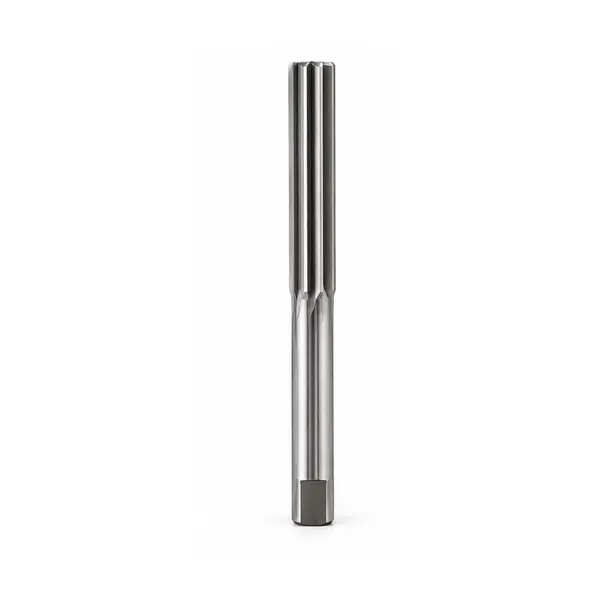
Each reamer is engineered around the workpiece material, hole condition and finishing requirement. Geometry can be adjusted to support stable guidance, controlled chip flow and repeatable hole quality.
Each reamer is engineered around the workpiece material, hole condition and finishing requirement. Geometry can be adjusted to support stable guidance, controlled chip flow and repeatable hole quality.
Select the reamer style according to blind or through-hole conditions, chip direction, alignment needs and production volume.
A rigid production reamer for repeatable final sizing and stable hole quality across suitable steel, stainless steel, cast iron and alloy applications.
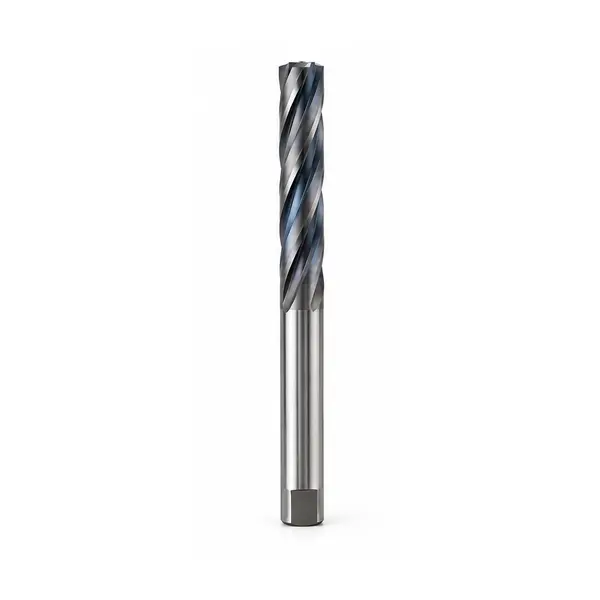
Spiral flutes support controlled chip movement and smoother cutting, especially when blind-hole chip evacuation needs attention.
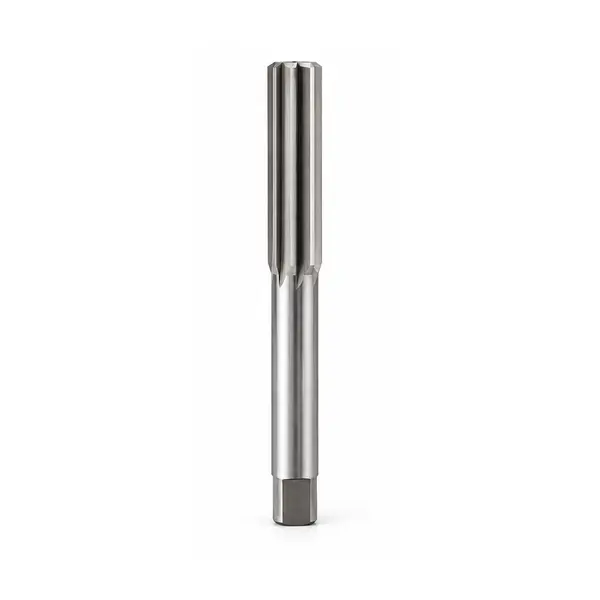
A stable option for through-hole finishing where predictable guidance, rigidity and consistent sizing are priorities.
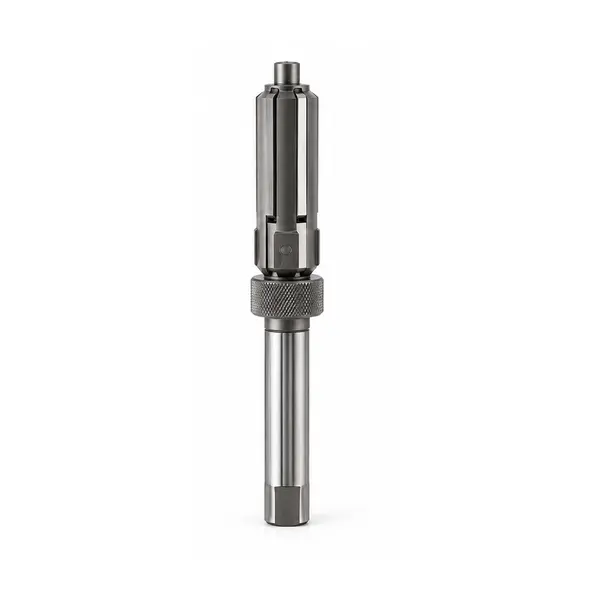
A flexible option for maintenance, repair and lower-volume work where small diameter adjustments may be required.
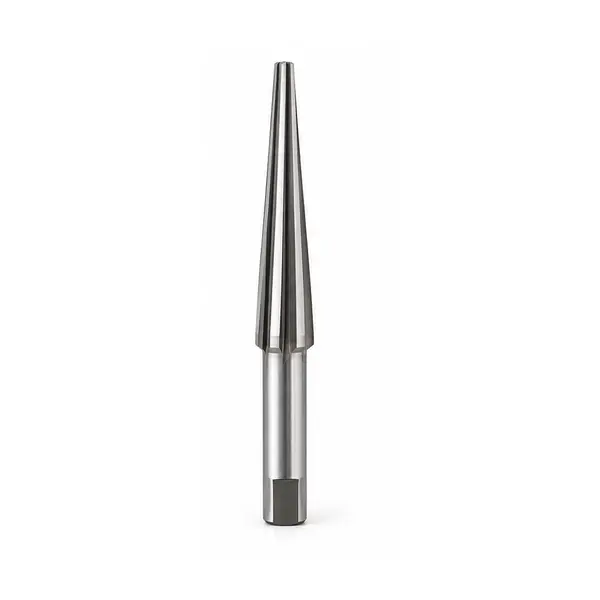
Designed for tapered holes where controlled alignment, gradual material removal and a consistent taper profile are required.
Final geometry is application-dependent. These are the main design areas evaluated when recommending or developing a reamer.
Carbide grade is selected around rigidity, edge stability, wear resistance and the workpiece material.
Guiding margins support radial stability, straightness and consistent sizing through the finishing cut.
Edge preparation balances sharpness and strength to reduce micro-chipping and unstable wear.
Flute form and helix influence chip direction, coolant access, torsional stiffness and vibration.
Pitch and flute spacing can be adjusted to reduce chatter and improve roundness in demanding conditions.
Chamfer angle and lead length control entry, stock removal and cutting impact at the start of the hole.
Use this table as a starting point. Final tool construction should be confirmed from the part drawing and machining conditions.
| Reamer Type | Hole Condition | Main Selection Focus | Typical Use |
|---|---|---|---|
| Machine Reamer | Blind or through | Diameter, stock allowance, finish | General precision production |
| Spiral-Flute Reamer | Often blind holes | Chip direction and smooth cutting | Difficult chip evacuation |
| Straight-Flute Reamer | Often through holes | Rigidity and guidance | Stable continuous finishing |
| Adjustable Reamer | Accessible holes | Small size adjustment | Maintenance and low-volume work |
| Taper Reamer | Tapered holes | Taper angle and alignment | Pins, seats and tapered interfaces |
Exact values depend on the confirmed product series and drawing. ZIROOTOOLS can evaluate standard and custom configurations for your application.
| Tool Forms | Machine, straight flute, spiral flute, taper, step and drawing-based custom forms |
| Carbide & Coating | Selected according to material, hardness, coolant and tool-life target |
| Diameter & Tolerance | Standard or custom size based on the hole drawing and process capability |
| Flute & Margin Design | Configured around chip flow, guidance, rigidity and finish requirement |
| Coolant Delivery | External or internal coolant options where the application and diameter permit |
| Custom Features | Special length, step diameter, taper, chamfer, pilot and combined features by evaluation |
Application-focused recommendations for hole size, finish, material, machine and production targets.
We review hole geometry, tolerance, entry condition and required finish before recommending the tool form.
Substrate, coating, chamfer and flute design are selected around the workpiece and cutting conditions.
Special diameters, lengths, steps, tapers and combined profiles can be evaluated from your drawing.
Recommendations consider stability, cycle time, repeatability, tool changes and tool-life issues.
Reaming performance is highly sensitive to pre-hole condition, allowance, runout and coolant. Share these details for a more accurate recommendation.
Send your hole drawing and machining conditions. ZIROOTOOLS will evaluate the suitable reamer form, geometry and configuration.
Common questions about reamer selection, hole preparation and custom tooling.
A reamer is used after drilling or boring to bring a hole closer to final diameter while improving roundness, cylindricity and internal surface quality.
Straight flutes provide strong guidance and are often selected for stable through-hole finishing. Spiral flutes can support smoother cutting and controlled chip direction, which may benefit blind-hole applications.
The correct allowance depends on hole diameter, material, pre-hole quality, reamer geometry and required finish. Too little allowance may cause rubbing; too much can overload the tool. Please provide the drawing and pre-hole size for evaluation.
Yes. Special diameters, lengths, steps, tapers, chamfers, pilots and combined features can be evaluated from your part or tool drawing.
Coating should be selected together with the material, hardness, cutting speed, coolant and edge geometry. Uncoated or low-friction options may suit some non-ferrous materials, while heat- and wear-resistant coatings may suit steels and difficult alloys.
Common causes include spindle or holder runout, misalignment, excessive stock allowance, worn cutting edges, unstable fixturing, incorrect pre-hole geometry or poor chip evacuation.
Share the hole drawing, tolerance, finish requirement, pre-hole size, material and machining conditions. We will evaluate a standard or custom carbide reamer solution.