
Carbide router bits and custom woodworking cutters for solid wood, plywood, MDF, particleboard and laminated panels. Select the geometry around the material, cut direction and finish you need.
ZIROOTOOLS supports CNC woodworking, furniture components, cabinetry, panel processing, sign making and profile machining. Our selection covers standard carbide router bits and drawing-based custom cutters for production challenges where edge quality, chip evacuation and tool life must be considered together.
Choose a starting point by cutting direction, edge requirement and part geometry. For non-standard profiles, send a drawing or sample for evaluation.
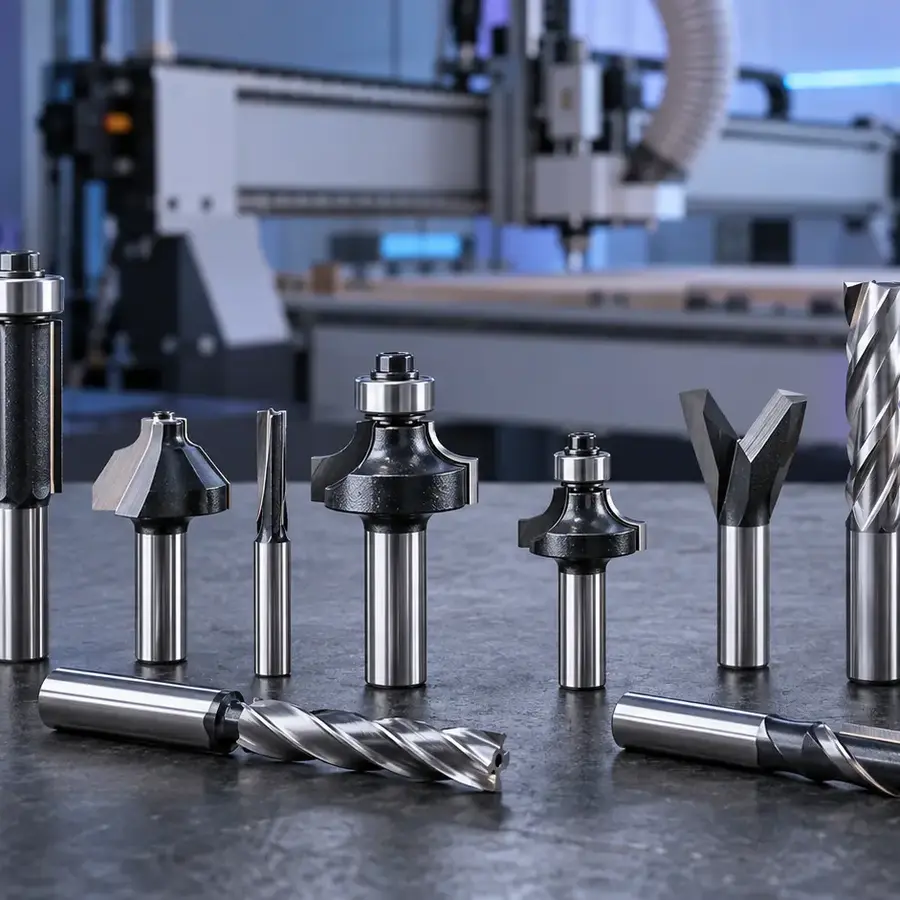
A broad range of carbide router bits for CNC routing, slotting, trimming and profile machining.
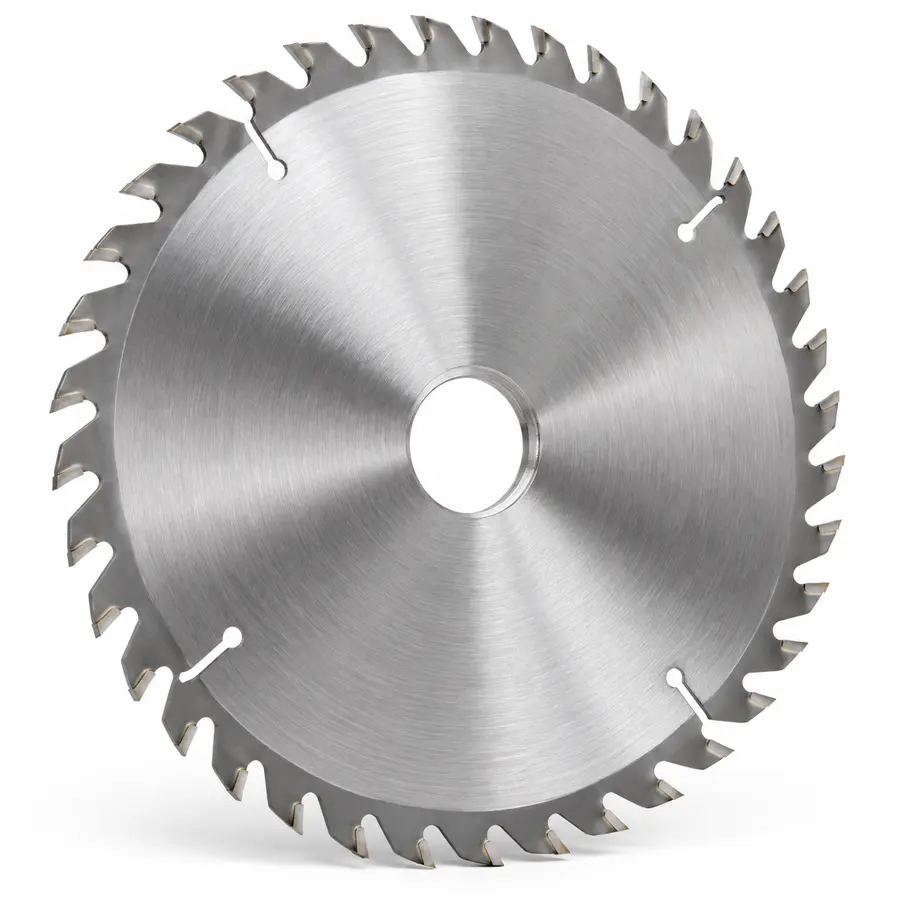
TCT woodworking saw blades for stable cutting of solid wood, panels and laminated materials.
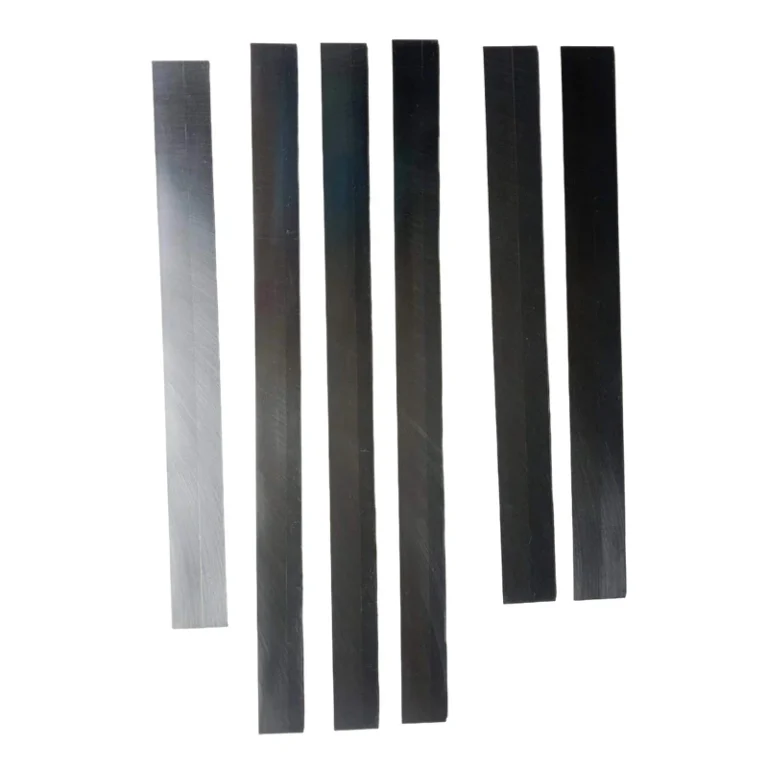
Straight and profile planer knives for dimensioning, smoothing and woodworking production.
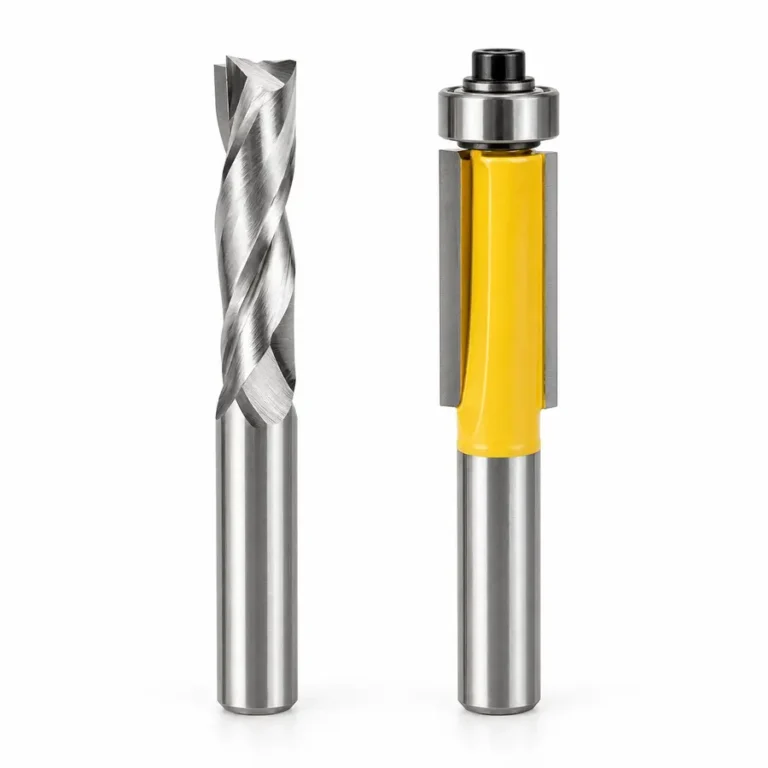
Bearing-guided and spiral tools for template routing, duplication and controlled edge trimming.
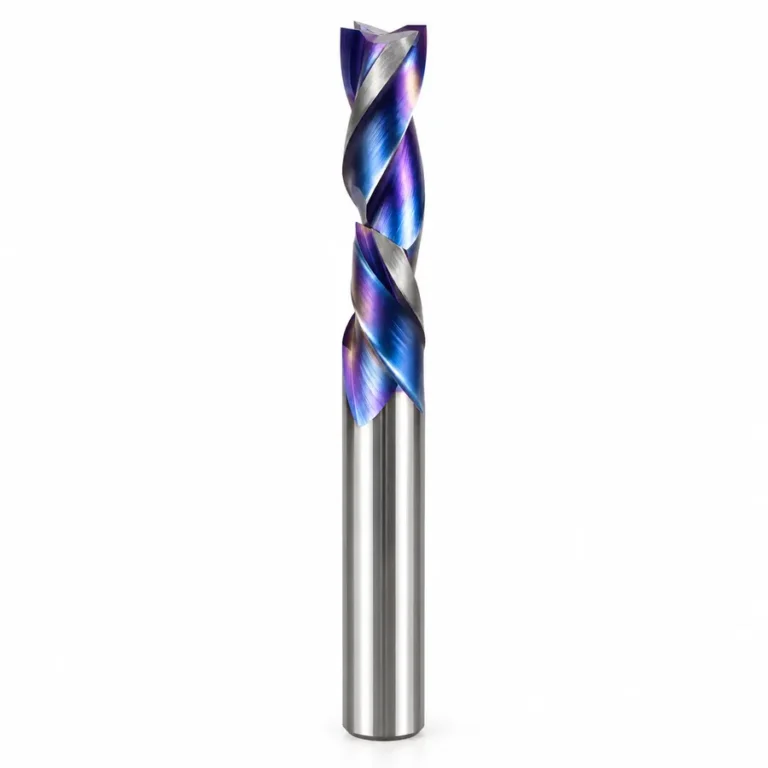
Opposing cutting directions help support clean top and bottom edges on laminated panels.
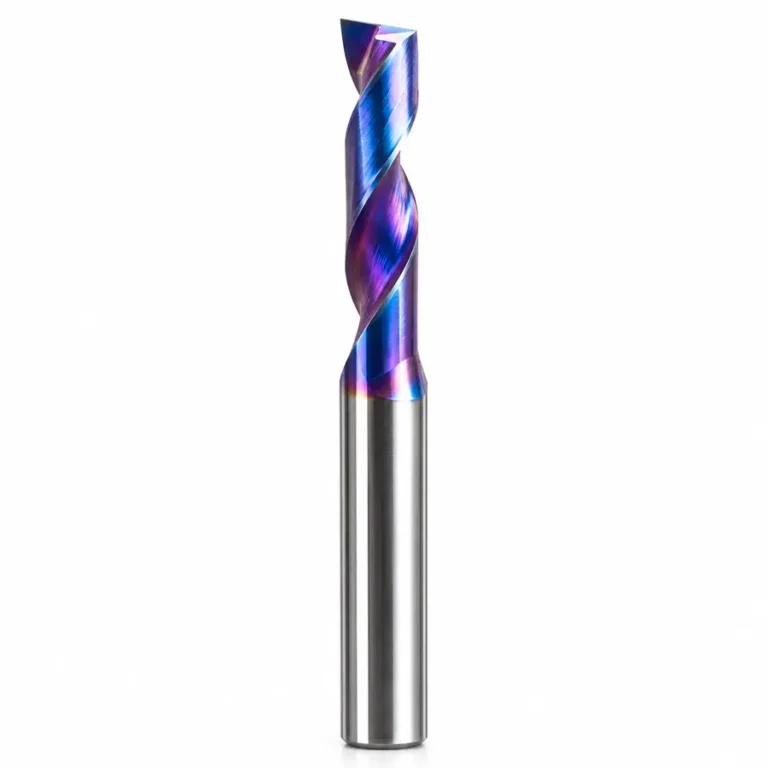
Single-flute geometry prioritizes chip evacuation from grooves, pockets and deeper cuts.
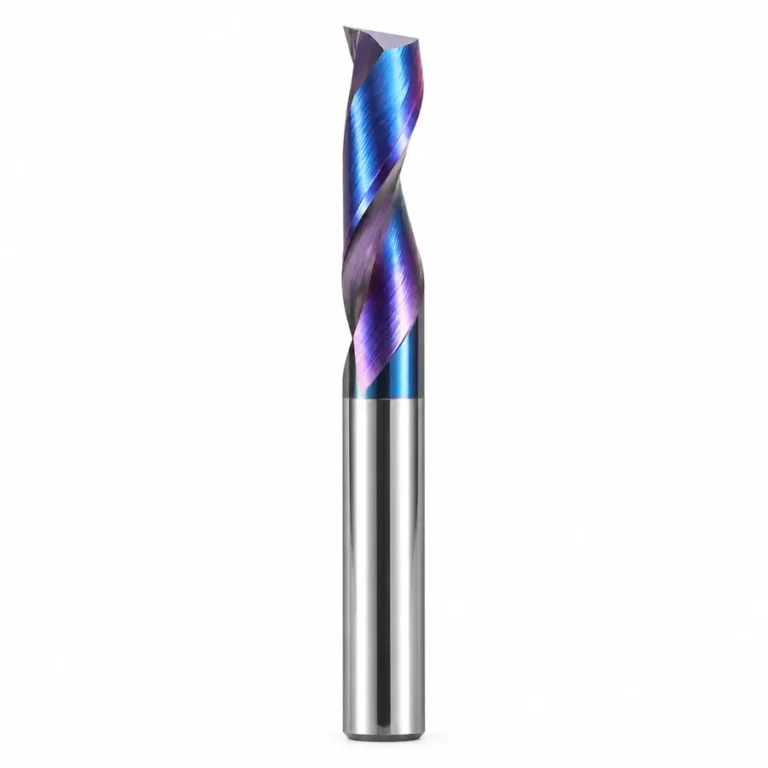
Downward cutting action helps protect the visible top surface during routing.
Two-flute up-cut geometry balances chip evacuation, feed capability and surface quality.
Two-flute down-cut geometry supports a clean top edge and stable panel machining.
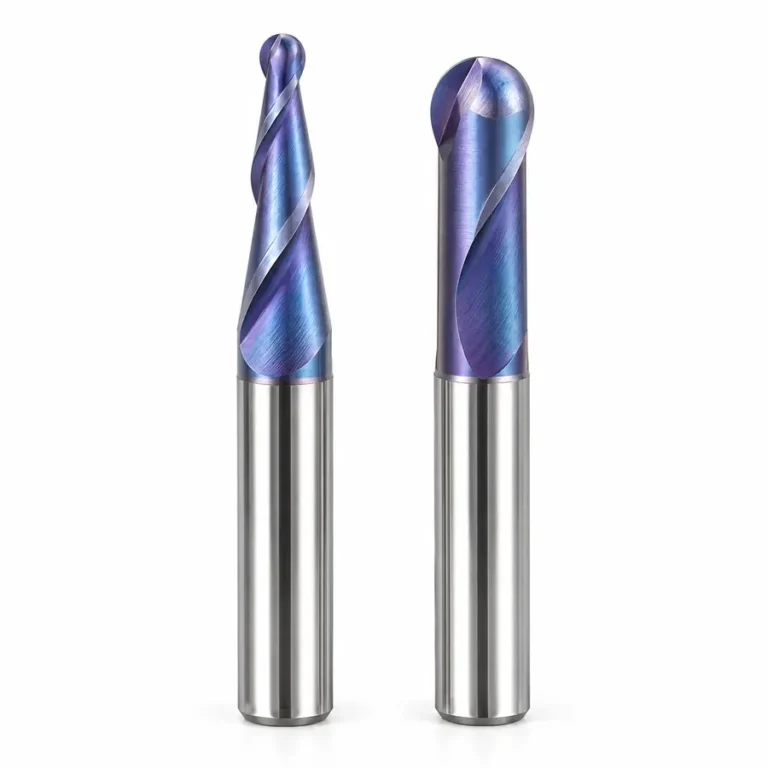
For 3D carving, relief work, tapered walls and fine-detail woodworking.
Rounded two-flute geometry for contours, blended surfaces and 3D finishing.
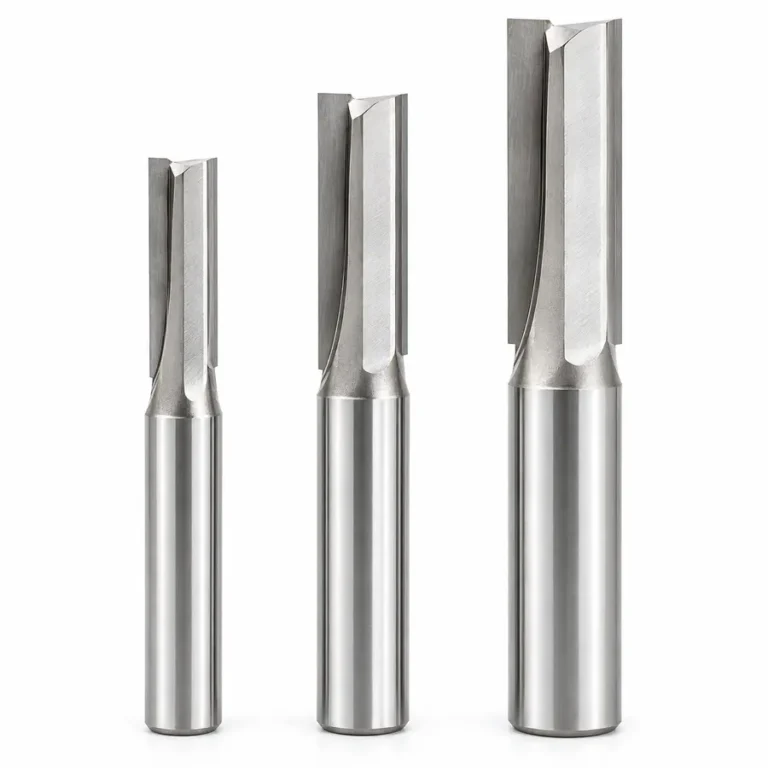
Straight cutting edges for grooves, rebates, trimming and general wood routing.
The same material may require a different tool when the visible surface, slot depth, hold-down method or chip extraction changes.
Prioritizes upward chip evacuation; review workholding and top-edge requirements.
Directs cutting force downward and can help protect a visible top surface.
Combines cutting directions for laminated panels requiring clean faces on both sides.
Supports 3D contours, carving, blended surfaces and special profiles.
Tool selection is matched to solid wood, plywood, MDF, particleboard, laminated panels and selected wood-plastic composites. Common operations include profiling, nesting, slotting, pocketing, drilling, trimming, engraving and 3D carving.
Typical industries: furniture, cabinetry, doors, flooring, interior components, display fixtures and CNC job shops.
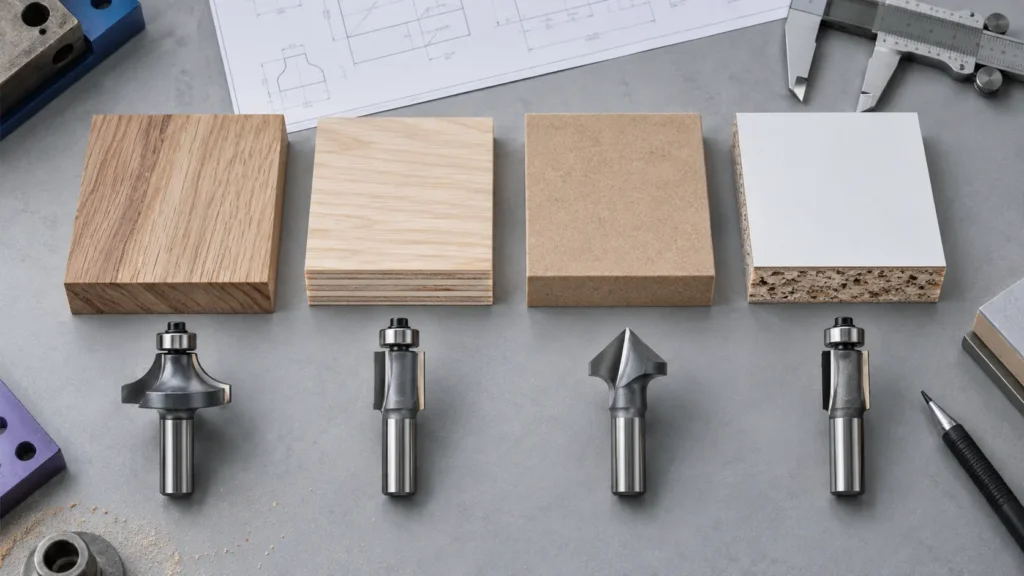
When a standard router bit cannot produce the profile, reach the feature or meet the target finish, ZIROOTOOLS can evaluate a drawing-based carbide tool. The recommendation is built around the part—not only the cutter name.
Send the drawing, material, machine, holder and finish requirement.
We evaluate diameter, flute form, reach, edge preparation and coating needs.
The specification is confirmed before production and application support.
Practical tooling recommendations based on the workpiece, machine conditions and production priorities.
Cut direction, flute form and edge preparation are selected around the part.
Recommendations consider wear, heat, resin buildup and target cutting speed.
Special profiles, reaches and combined features can be evaluated from your drawing.
Tool selection considers cycle time, tool changes and repeatable part quality.
Share the details below and our team can evaluate the cutting conditions more accurately.
Common questions about selecting woodworking router bits and custom carbide cutters.
The choice depends on which faces are visible, panel construction, hold-down method and cutting direction. Compression geometry is often evaluated when clean top and bottom edges are both important.
Up-cut geometry generally supports chip evacuation from deeper slots, while down-cut geometry directs cutting force toward the workpiece and may help protect the visible top edge. Workholding and depth must be considered.
Yes. Send the profile, dimensions, tolerances, workpiece material, machine and expected operation. We can evaluate a drawing-based carbide cutter or combined-operation design.
Flute count is selected together with chip load, spindle speed, feed rate, material and evacuation space. More flutes do not automatically mean a better result for every application.
Please provide the tool dimensions or part drawing, material, machine interface, cutting conditions, target finish, required quantity and any current tool-life or edge-quality issue.
Send your drawing, material and machining requirements. ZIROOTOOLS will help you evaluate a standard router bit or a custom tooling solution.