
Carbide drills, deep-hole drills, reamers, boring cutters and custom step tools engineered around your material, tolerance, depth and coolant conditions.
Hole quality depends on more than diameter alone. Runout, depth-to-diameter ratio, workpiece material, machine rigidity, coolant delivery and chip evacuation all affect accuracy and tool life. ZIROOTOOLS helps manufacturers select standard or drawing-based carbide tools for drilling, enlarging and finishing precision holes.
Choose the tool family according to the machining stage, required tolerance, surface finish and hole geometry.
General-purpose and application-matched drills for stable hole initiation, efficient cutting and repeatable diameter control.
Long-reach geometries designed around depth, chip evacuation and coolant strategy for demanding deep-hole applications.
Internal-coolant options help control heat and move chips away from the cutting zone in higher-load machining.
Finishing tools for final sizing, improved roundness and smoother internal surfaces after drilling or boring.
Tools for enlarging, correcting and refining existing holes when alignment and diameter adjustment are priorities.
Drawing-based tools that combine diameters, chamfers or profiles to reduce operations and simplify production.
Specific carbide drilling, boring and reaming tools for different hole geometries, materials and production conditions.
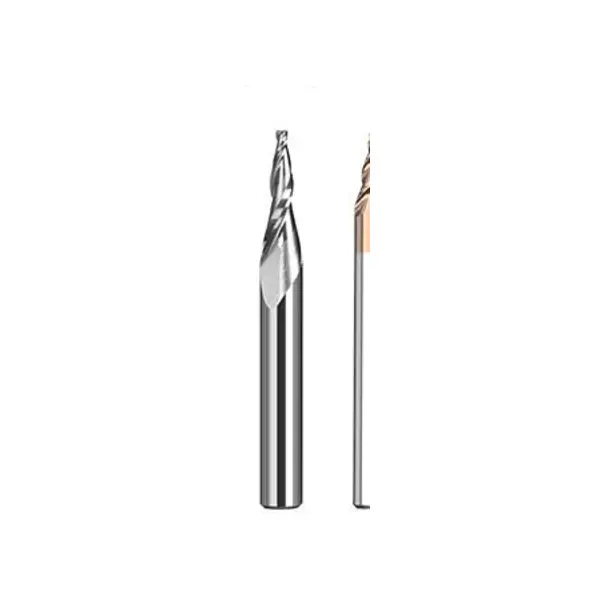
For stable general-purpose drilling where external coolant and reliable chip flow are available.
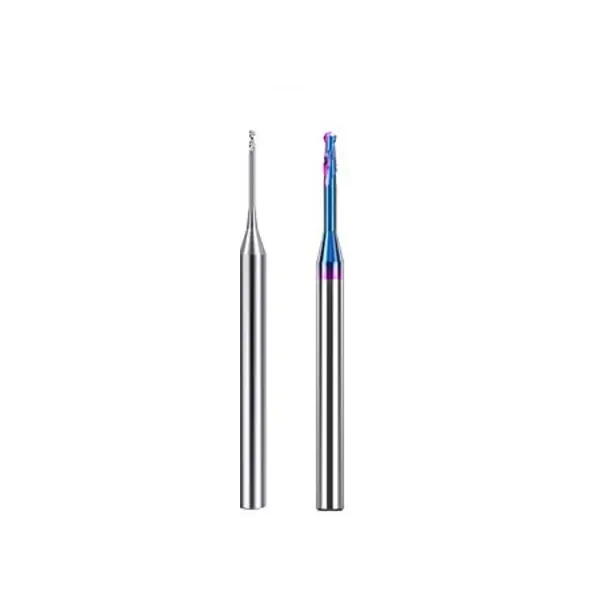
Long-reach drilling solution for deeper holes where rigidity, chip evacuation and coolant strategy are critical.
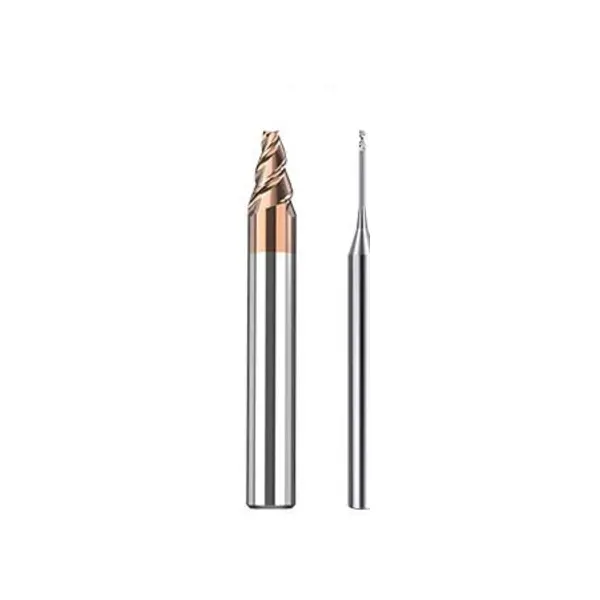
Low-friction cutting design for aluminum housings, plates and non-ferrous precision components.
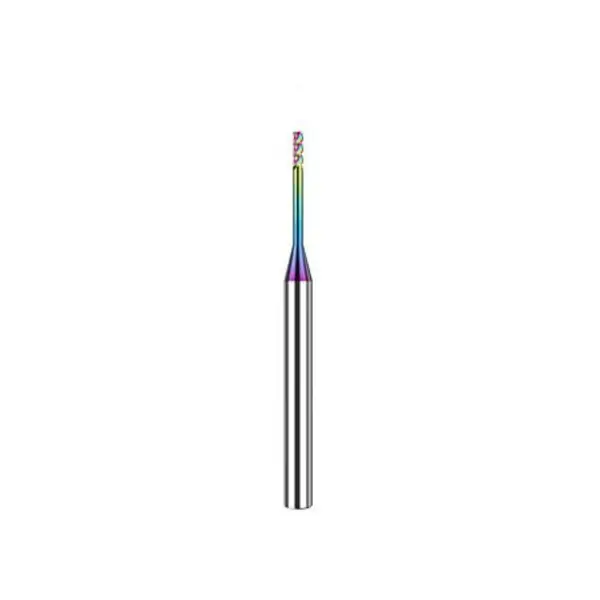
A low-friction coated option for non-ferrous materials and applications sensitive to built-up edge.
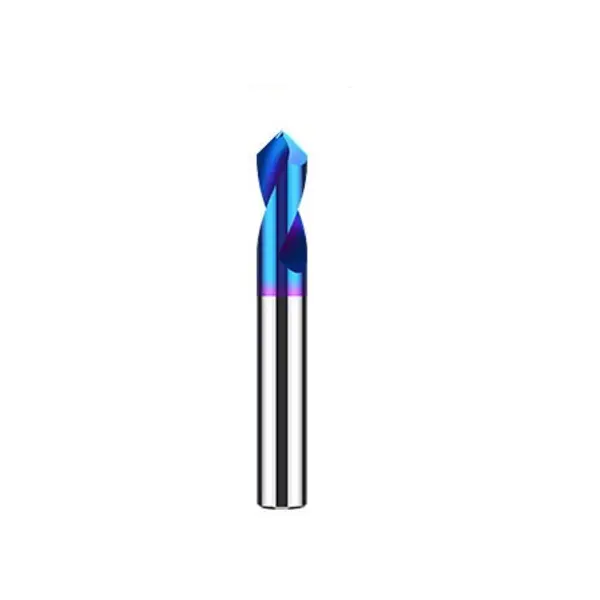
For higher-load or deeper drilling where coolant delivery through the tool improves heat and chip control.
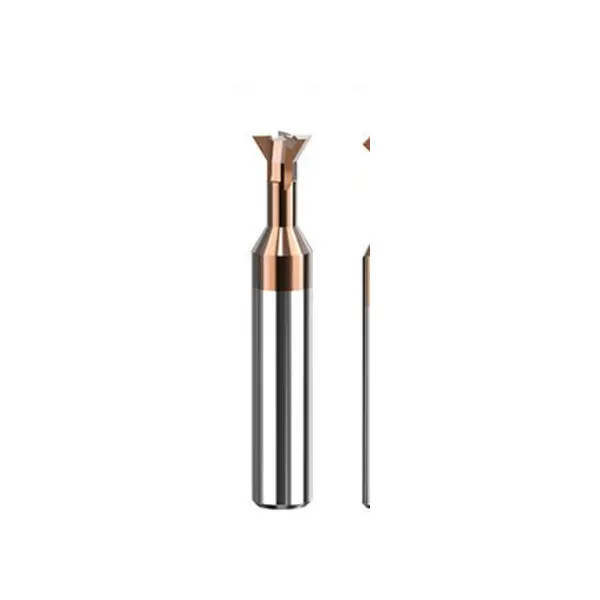
For enlarging, correcting and refining an existing hole when alignment and diameter control matter.
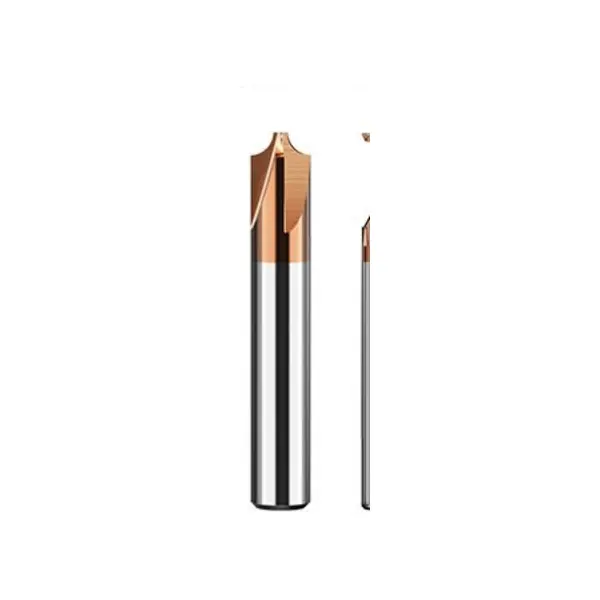
For final hole sizing, improved roundness and a smoother internal surface after drilling or boring.
The most suitable cutter depends on whether you are creating, correcting or finishing the hole.
Creates the initial hole. Priorities include location accuracy, penetration rate, chip control and reliable entry.
Enlarges or corrects a pre-drilled hole. Useful when alignment, geometry correction or diameter flexibility matters.
Brings the hole to final size and finish. Used when tighter diameter control and smoother walls are required.
Use this comparison as a starting point. Final selection should be confirmed against the drawing, machine and cutting conditions.
| Tool Type | Main Function | Typical Priority | Best Fit |
|---|---|---|---|
| Carbide Drill | Create the hole | Speed and repeatability | General production and pilot holes |
| Deep-Hole Drill | Reach greater depth | Chip evacuation and cooling | High depth-to-diameter holes |
| Boring Cutter | Enlarge or correct | Alignment and diameter adjustment | Existing holes requiring correction |
| Reamer | Finish to final size | Tolerance and surface finish | Precision finishing after drilling |
| Custom Step Drill | Combine multiple features | Fewer tool changes and operations | Stepped, chamfered or special-profile holes |
Geometry, carbide grade and coating should be matched to the workpiece and production target rather than selected by tool diameter alone.
Stable drilling solutions for general components, machine parts and production fixtures.
Geometry and coating choices focused on heat, work hardening and dependable chip evacuation.
Polished or low-friction cutting designs help reduce built-up edge and protect surface quality.
Application-matched tools prioritize rigidity, heat control and predictable tool life.
Practical recommendations based on the part drawing, material, machine conditions and production priorities.
Point design, flute form and edge preparation are selected around the hole and workpiece conditions.
Substrate and coating recommendations consider wear, heat, adhesion and target cutting speed.
Step diameters, chamfers, lengths and combined features can be evaluated from your drawing.
Recommendations consider cycle time, tool changes, process stability and expected tool life.
More complete application data helps us evaluate geometry, coolant strategy and tool construction more accurately.
Send the drawing and cutting conditions. ZIROOTOOLS can help identify a suitable standard tool or evaluate a custom carbide solution.
Answers to common questions about carbide drills, boring cutters, reamers and custom hole-making tools.
For final sizing and a smoother internal surface, a reamer is usually the preferred finishing tool. A boring cutter may be used first when the existing hole needs alignment or diameter correction.
Internal coolant is useful when heat and chip evacuation are difficult to control, especially in deeper holes or higher-load production. The machine’s coolant pressure and tool diameter must be considered.
Yes. We can evaluate stepped diameters, chamfers, special lengths and combined operations from a part or tool drawing. Please include material, tolerances, machine information and quantity.
Please provide diameter, total depth, depth-to-diameter ratio, blind or through-hole condition, material, hardness, machine setup, coolant delivery and the current problem.
Sometimes, but a universal geometry is rarely optimal for demanding production. Stainless steel, aluminum, titanium and alloy steel create different chip, heat and adhesion conditions.
Use drilling to create the hole, boring to enlarge or correct it, and reaming to achieve final diameter and finish. Some parts require all three stages; others can be completed with a custom combined tool.
Share your drawing, hole specification, material and machining conditions. Our team will evaluate the most suitable standard or custom tool approach.