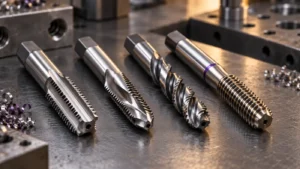
Tungsten Carbide vs Carbide Drill Bits: What CNC Buyers Need to Know
When buyers compare tungsten carbide vs carbide drill bits, the first challenge is usually terminology. In industrial cutting-tool conversations, the terms are often used loosely, even though a drill's actual performance depends on far more than the words printed on a label. Its structure, carbide grade, coating, flute design, point geometry, dimensional control, and the machining setup all matter.
For CNC buyers, the useful question is not simply which name is better. It is whether the proposed drill is compatible with your workpiece, hole specification, machine rigidity, toolholder, coolant method, and production goal. This guide clarifies the terminology, compares common drill constructions, and shows what information to prepare before you request samples or a quotation.
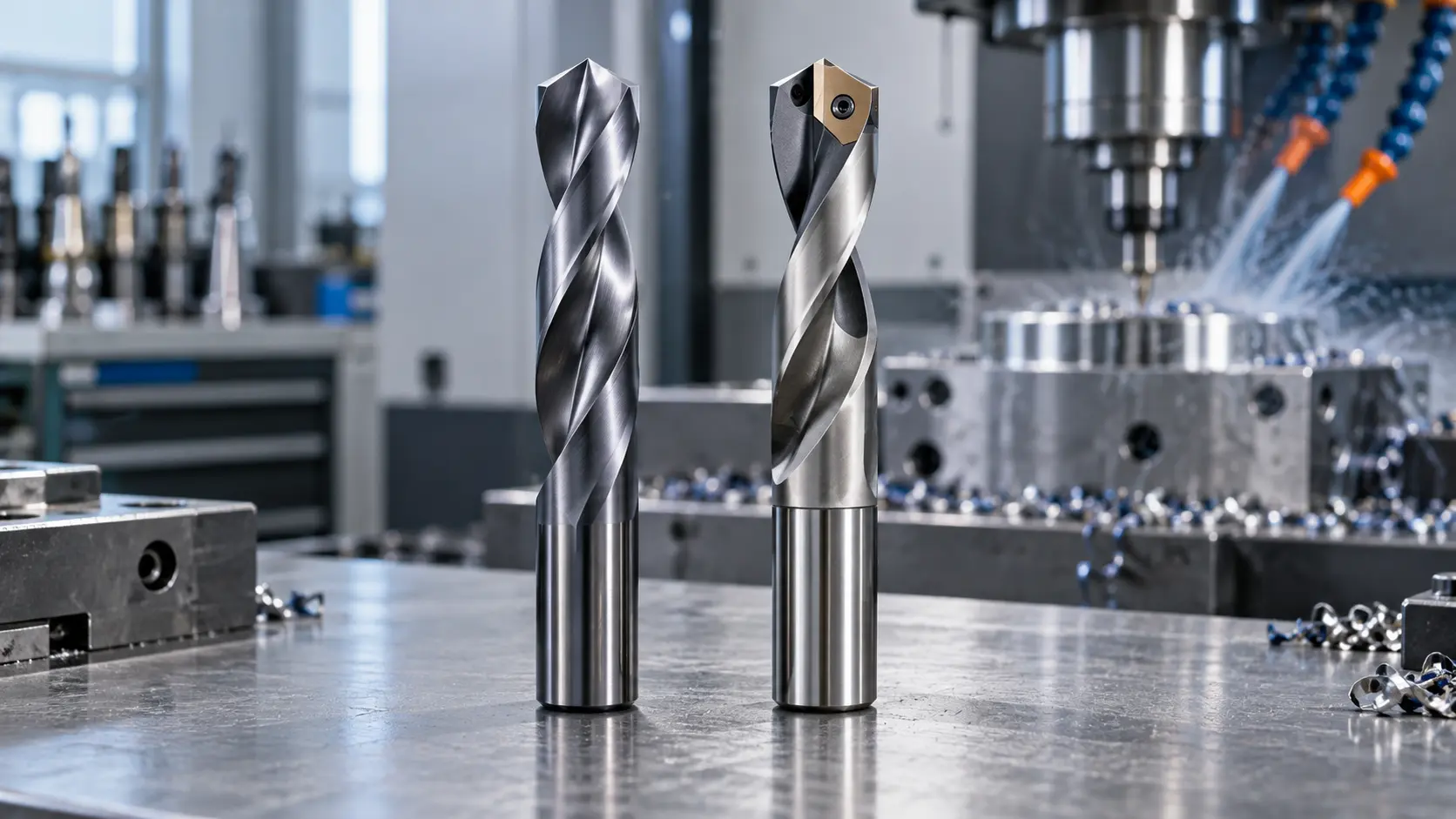
Quick Answer: Tungsten Carbide vs Carbide Drill Bits
In cutting tools, tungsten carbide is commonly a key hard phase used in a broader hardmetal or carbide material system. Therefore, a product called a “carbide drill bit” may also contain tungsten carbide. The names alone do not prove that two drills have different performance levels or even different basic materials.
To compare drills properly, ask whether the tool is solid carbide or carbide-tipped, then review its grade, coating, geometry, tolerance, and intended application. A well-matched drill can support repeatable CNC drilling. A poorly matched one can chip or break even when the material name sounds premium.
What Does “Carbide” Mean in Cutting Tools?
Carbide cutting materials are engineered hardmetal systems. In many industrial drill designs, tungsten carbide particles provide the hard, wear-resistant cutting phase, while a metallic binder helps hold the structure together. Manufacturers may use different grades and production methods to balance wear resistance, edge support, and toughness for a target application.
This is why “carbide” is not a complete specification. Two drill bits can both be described as carbide tools yet differ in grain structure, binder content, coating system, flute form, point preparation, and manufacturing tolerance. Those differences may change chip evacuation, heat behavior, hole finish, and resistance to chipping in a real process.
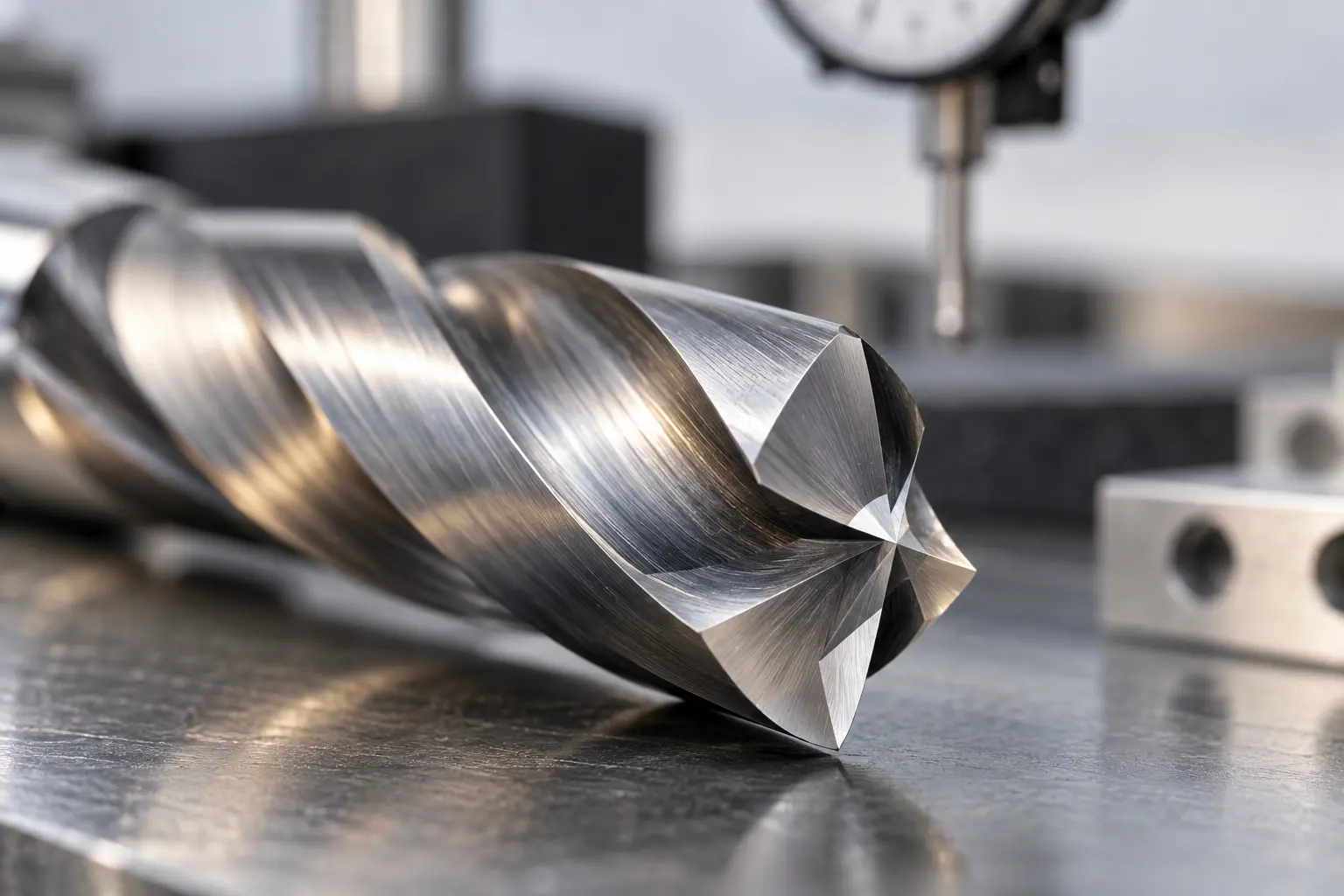
Tungsten Carbide vs Carbide: The Practical Difference
For a purchasing decision, it is more accurate to treat tungsten carbide as part of the material description rather than as an automatic alternative to “carbide.” Ask the supplier to clarify the tool construction and application instead of choosing by wording alone.
- Material system: Ask what carbide grade and intended material group the drill is designed for.
- Construction: Confirm whether the drill is solid carbide, carbide-tipped, or another specialized design.
- Coating: Check whether the coating is selected for your material, heat condition, and coolant strategy.
- Geometry: Review point style, margin design, flute form, and edge preparation for the hole type.
- Process fit: Confirm machine stability, holder condition, runout control, workholding, and chip evacuation.
A precise drawing or full part number is more useful than a general request for a “tungsten carbide drill.” It gives the supplier a starting point for checking the dimensions, geometry, and compatible machining range.
Why Terminology Creates a Sourcing Risk
In a quotation request, a short material name can hide important differences. One supplier may understand “carbide drill” as a solid carbide twist drill for CNC metalworking; another may quote a carbide-tipped construction intended for a different drilling task. Both responses may use accurate wording, but they may not be interchangeable on your machine.
To avoid that gap, use the material term together with the required construction, dimensions, workpiece, and operation. If you are replacing an existing tool, send the full code or a photo of the package and drill. If you are developing a new process, start with the finished-hole requirement and the available machine conditions. This turns a vague material comparison into a specification that can be reviewed and sampled.
Solid Carbide vs Carbide-Tipped Drill Bits
| Selection point | Solid carbide drill | Carbide-tipped drill |
|---|---|---|
| Basic construction | Cutting body made primarily from carbide material. | Steel body with carbide cutting elements or tip. |
| Typical CNC role | Precision and repeatable drilling where a stable setup supports the tool. | Applications where a steel body and carbide cutting edge suit the tool design and load. |
| Key strength | High rigidity and edge-wear potential in an appropriate process. | Combines a tough body concept with carbide at the cutting area. |
| Main caution | Sensitive to vibration, excessive runout, side loading, and poor chip control. | Performance depends on tip design, joint integrity, tool body, and application match. |
| What to verify | Holder, coolant, hole depth, tolerance, workpiece material, and machine condition. | Tip configuration, cutting edge access, body clearance, and intended material. |
Neither construction is universally better. A solid carbide drill may be suitable for a controlled CNC process with stable clamping and repeat production. A carbide-tipped design can be appropriate when the operation, diameter range, or drill construction calls for a steel body with carbide cutting capability. The correct answer starts with the application, not the product name.
What Determines Drill Performance Beyond the Name?
Carbide grade and edge condition
Carbide grades are selected to balance hardness, wear resistance, and resistance to edge damage. Edge preparation also matters: a sharper edge can reduce cutting force in some conditions, while a more supported edge may be considered when the cut is less stable. The appropriate balance depends on the workpiece and operation.
Coating and coolant strategy
A coating should be selected around the workpiece material, heat level, and coolant method. Do not assume that a coating name alone makes a drill suitable for every alloy. For a reliable recommendation, share whether coolant is external, through-tool, mist, or absent, and whether chips are evacuating consistently from the hole.
Point, flute, and margin geometry
Point geometry affects centering and entry behavior. Flutes influence chip evacuation, while margins contribute to guidance in the hole. These features must be matched to the workpiece material, hole depth, tolerance, and whether the hole is blind or through. A general-purpose geometry may not solve a deep-hole or difficult chip-control problem.
Runout, holder, and machine rigidity
Hard carbide is less forgiving of instability than more ductile tool materials. A worn collet, unsuitable holder, poor concentricity, long overhang, or weak workholding can create uneven edge loading. Before changing drill material, inspect the mechanical system and record the actual failure pattern.
When Is a Carbide Drill a Good Fit?
A carbide drill is often worth evaluating when you have a rigid CNC setup, a controlled and repeatable operation, adequate chip evacuation, and a clear hole-quality or productivity objective. It can be a strong candidate when the workpiece is abrasive or demanding and the process can protect the cutting edge from vibration and side loading. For broader application matching, review ZIROO TOOLS hole-making tools for precision CNC machining.
Start with the material and hole specification. Identify the alloy or material group, condition, approximate hardness if known, hole diameter, hole depth, tolerance, blind or through-hole requirement, and surface-finish expectation. Then review the machine, holder, coolant method, and current failure mode. This sequence is more reliable than selecting a drill because it is described as “premium carbide.”

When Not to Choose Carbide First
Do not select carbide solely for its hardness if your setup cannot support it. A process with noticeable vibration, poor clamping, excessive toolholder runout, intermittent side pressure, or uncontrolled chip packing needs correction before a more rigid cutting material can show its value.
These same checks are relevant when a component moves from general machining into more demanding cavity and precision-hole work. If your application includes mold components, see our CNC cutting tools for mold machining solution page.
For a flexible manual process or an operation with uncertain alignment, a tougher drill construction may be easier to manage. This is not a statement that carbide is unsuitable; it is a reminder that cutting-tool selection and process stability must be considered together. A stable setup can be just as important as the drill grade.
A Step-by-Step Drill Selection Workflow
- Identify the workpiece. Provide the material, condition, and any surface scale, interruptions, or abrasive inclusions.
- Define the hole. State diameter, depth, tolerance, blind or through-hole, entry surface, and any downstream reaming or tapping.
- Check the equipment. Record machine type, spindle condition, holder, clamping method, tool overhang, and runout measurement if available.
- Review coolant and chips. Describe coolant delivery and show photos of chips if packing, scratching, or nesting is present.
- Specify the drill completely. Confirm construction, diameter, flute length, overall length, point geometry, coating, and tolerance requirement.
- Run a controlled trial. Change one variable at a time and use the same inspection method for all candidates.
This workflow gives purchasing and engineering a shared record. It also helps distinguish a drill-specification issue from a machine, holder, program, coolant, or workholding issue.
Build a Purchase Specification Before Comparing Prices
Price comparisons are meaningful only when the offered drills are comparable. A lower unit price may represent a different construction, diameter tolerance, usable flute length, coating, packaging, or inspection requirement. For repeat orders, keep an approved specification that includes the complete drill designation, drawing revision, material application, required dimensions, coating if specified, packaging, and acceptance criteria.
Ask the supplier to identify any item that differs from the approved sample before production. For critical holes, your internal record can also include the holder used during approval, the workpiece material, the inspection method, and photographs of acceptable wear. This protects both purchasing and production teams from unknowingly comparing different tools under the same general name.
Common Drill Failures and What to Check
| Observed issue | Do not assume | Check first |
|---|---|---|
| Chipped cutting edge | That the carbide grade alone is wrong. | Runout, interrupted entry, material variation, clamping, coolant reach, and edge condition. |
| Drill breakage | That a stronger coating will solve it. | Chip packing, hole depth, feed consistency, lateral load, holder condition, and machine vibration. |
| Poor hole finish | That the diameter is the only issue. | Drill wear, margin condition, runout, chip recutting, coolant, and fixture stability. |
| Oversize or off-location hole | That the drill supplier is the sole cause. | Toolholder concentricity, spindle condition, pilot surface, fixturing, and program path. |
| Short usable life | That one material label predicts total cost. | Wear pattern, accepted holes per tool, cutting conditions, material lot, and all process changes. |
Photograph the worn drill, hole exit, chips, and holder when a problem occurs. These details make a technical review faster and help avoid repeatedly changing products without addressing the underlying process condition.

How to Run a Controlled Sample Trial
A sample trial should compare complete systems, not just tool prices. Keep the workpiece batch, machine, holder, program, coolant method, and inspection standard as consistent as practical. If you change the drill, coating, feed, speed, holder, and coolant at the same time, the result will not show what actually improved.
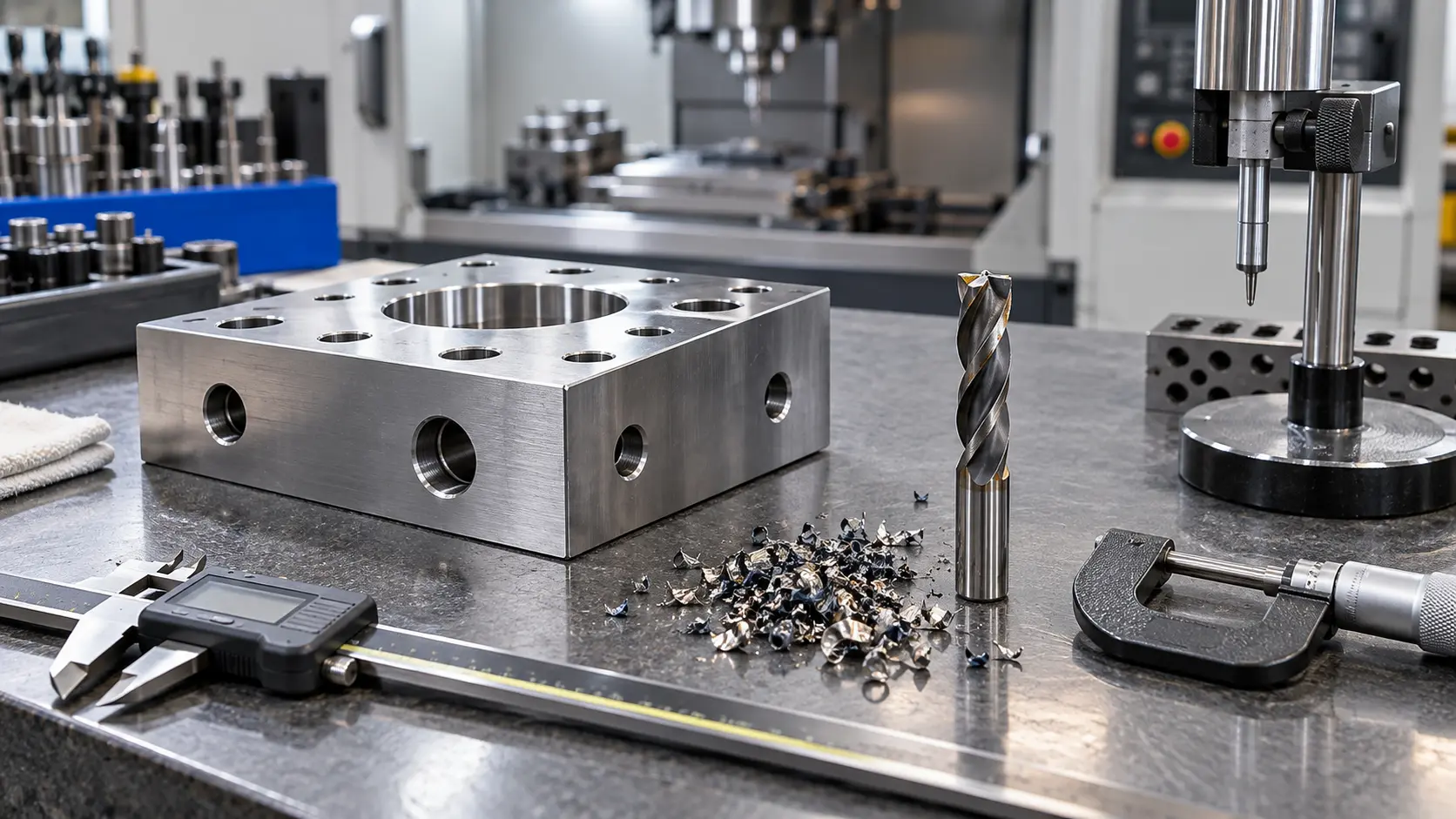
Define the acceptance criteria before the trial starts. Useful observations include hole diameter and position, finish, burr condition, chip evacuation, tool-edge condition, tool changes, cycle time, and the number of accepted holes before the agreed wear endpoint. Use this information to review cost per acceptable hole rather than cost per drill alone.
What to Send When Requesting a Quote
A complete inquiry helps ZIROO TOOLS review compatibility before samples or a bulk quotation. Please prepare:
- Existing drill code, drawing, or clear photos with dimensional information;
- Workpiece material, condition, and approximate hardness if known;
- Hole diameter, depth, tolerance, and blind or through-hole requirement;
- Machine type, spindle, holder or collet type, and coolant method;
- Operation details, including production quantity and current cutting issue;
- Photos of worn tools, chips, and the part when troubleshooting is required;
- Sample quantity, packaging, labeling, and other sourcing requirements.
Frequently Asked Questions
Are tungsten carbide and carbide drill bits the same thing?
They may refer to closely related material descriptions in cutting-tool use. Tungsten carbide is commonly a key hard phase in a carbide or hardmetal system. Confirm the actual tool construction, grade, coating, and geometry instead of deciding by the name alone.
Is a solid carbide drill always better than a carbide-tipped drill?
No. The choice depends on hole requirements, machine stability, diameter, workpiece, and drill design. Solid carbide can be suitable for controlled precision CNC drilling, while carbide-tipped construction can fit other applications.
Why do carbide drills break suddenly?
Common factors include runout, vibration, chip packing, side load, unsuitable conditions, weak workholding, or toolholder issues. Inspect the broken drill and process setup before changing only the drill material.
Can a carbide drill be used in a manual machine?
It may be possible for some applications, but carbide is generally less tolerant of misalignment and side loading. Confirm that the machine, clamping, and drilling method can keep the tool stable.
Do coatings determine whether a drill will work?
No. A coating is one selection factor. The base material, geometry, edge condition, coolant, workpiece, and setup must also match the process.
What is the best way to compare two drill suppliers?
Run a controlled test using the same workpiece, machine, holder, program, coolant, and acceptance criteria. Compare accepted holes, hole quality, wear pattern, tool changes, and cycle impact—not only unit price.
What information is needed for a carbide drill quotation?
Send the drill drawing or code, workpiece material, hole dimensions, machine and holder details, coolant method, application, expected quantity, and photos of current failures when relevant.
Request a Carbide Drill Specification Review
The most useful comparison is not tungsten carbide versus carbide as a label. It is the complete drill specification versus the real CNC process. If you are sourcing solid carbide drills, carbide-tipped drills, or related hole-making tools, send ZIROO TOOLS your drawing, current tool code, workpiece details, and hole requirement. Our team can help you clarify the specification before samples or a bulk quotation.