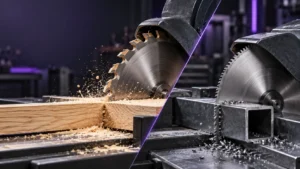
Carbide vs HSS saw blades should be selected by material, machine rigidity, production volume, cut quality, and total cost per cut.
Choosing between carbide and HSS saw blades is not simply a choice between a premium blade and a budget blade. For a metalworking shop, the right blade affects cut quality, cycle time, blade-change frequency, maintenance workload, and ultimately cost per cut.
A blade that appears inexpensive at purchase can become the costly option if it produces burrs, overheats, loses accuracy, or forces repeated stoppages. Conversely, a carbide-tipped blade may cost more upfront but deliver better value when the machine, workholding, material, and production volume support it.
Carbide vs HSS Saw Blades: The Core Difference
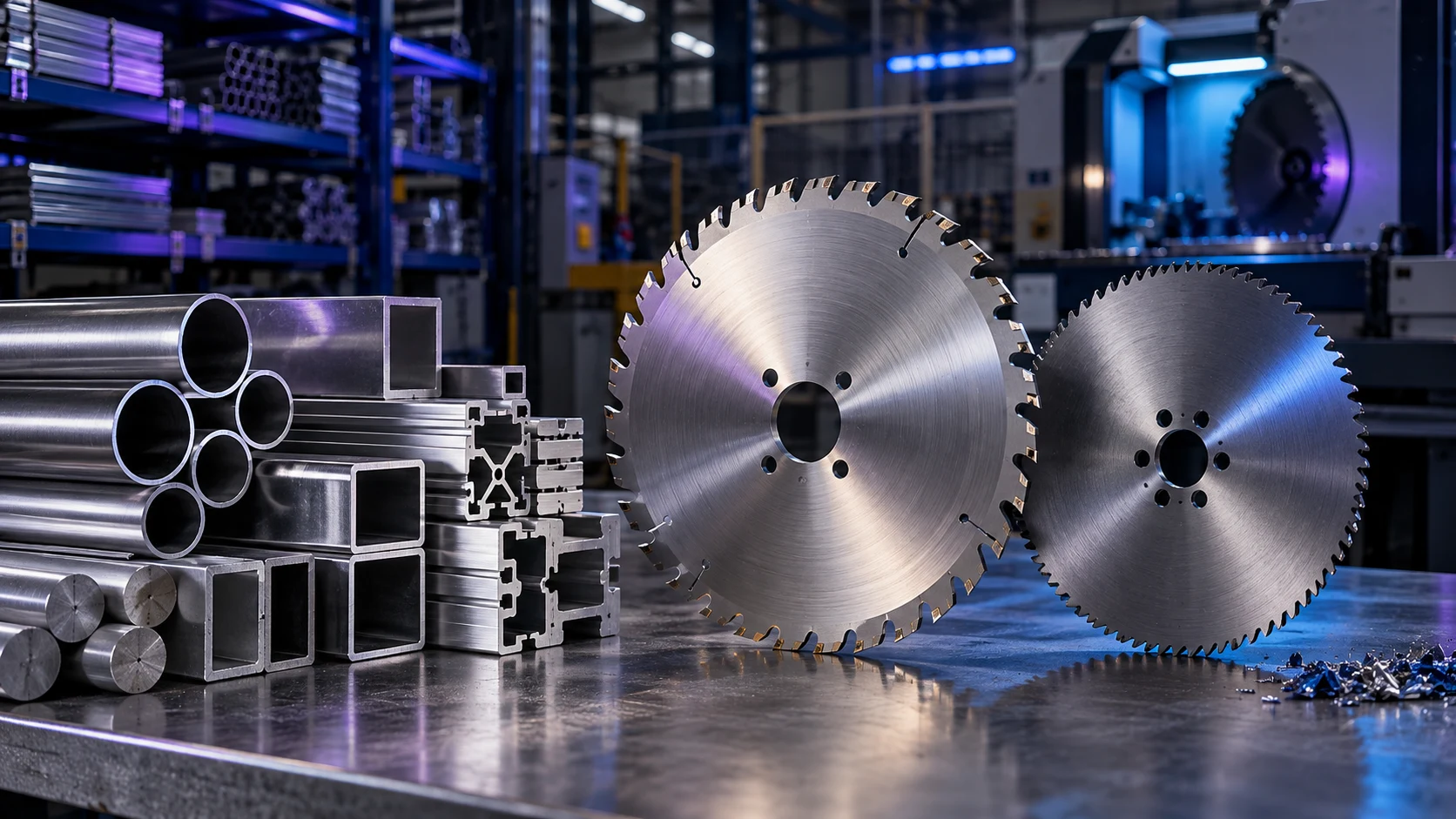
An HSS saw blade is normally made from high-speed steel throughout its cutting body. It is comparatively tough, can tolerate less-than-perfect cutting conditions, and can often be resharpened by a qualified grinding service. A carbide-tipped saw blade uses a steel body with tungsten-carbide teeth brazed onto the cutting edge. Carbide is harder and more wear-resistant than HSS, allowing the blade to retain its edge longer in suitable production work. However, it is also less forgiving of impact, poor clamping, excessive vibration, or incorrect feed.
The correct decision is not that one material is always better. It is about matching the blade material to the complete cutting system.
| Factor | HSS Saw Blades | Carbide-Tipped Saw Blades |
|---|---|---|
| Cutting edge | High-speed steel | Tungsten-carbide tooth tips |
| Toughness | More tolerant of shock and vibration | More vulnerable to impact damage |
| Wear resistance | Moderate | High in stable conditions |
| Speed potential | Moderate | Higher when the system is properly matched |
| Resharpening | Common and comparatively straightforward | Requires specialist carbide grinding |
| Best fit | Flexible or less-rigid cutting conditions | Stable, productivity-focused production |
When to Choose an HSS Saw Blade
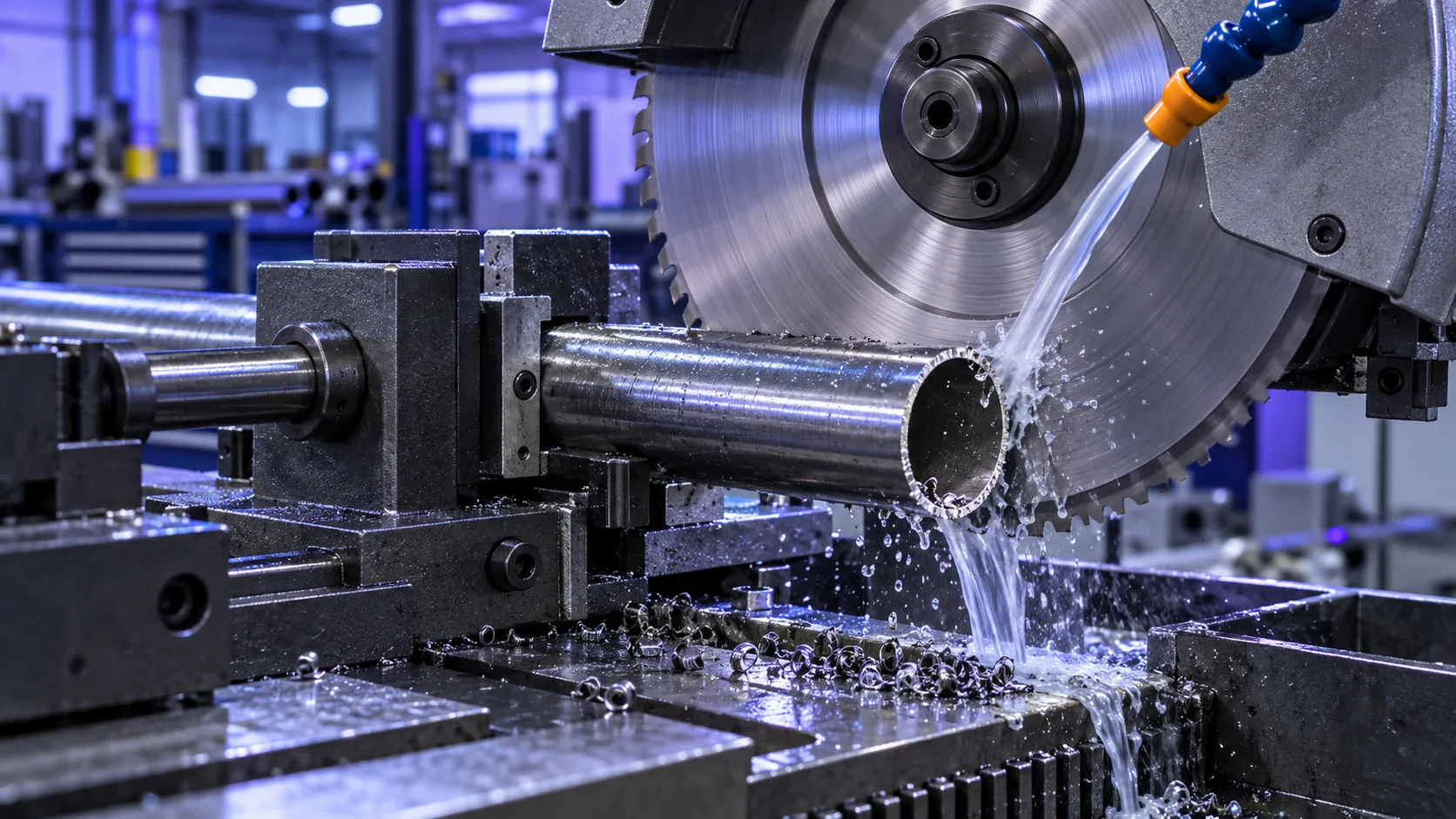
HSS remains a practical choice for many metal-cutting operations. Its toughness gives it an advantage when cutting conditions are not perfectly controlled. Choose an HSS saw blade for low or intermittent volume, older equipment, thin-wall workpieces, mixed short batches, or operations that rely on repeatable resharpening.
For many cold-saw operations, HSS offers a balanced solution for carbon steel, mild steel tubing, and routine fabrication work. It should not be treated as low performance: when machine rigidity, clamping, coolant delivery, or operator consistency are limited, an HSS blade can be the more reliable option.
When to Choose a Carbide-Tipped Saw Blade
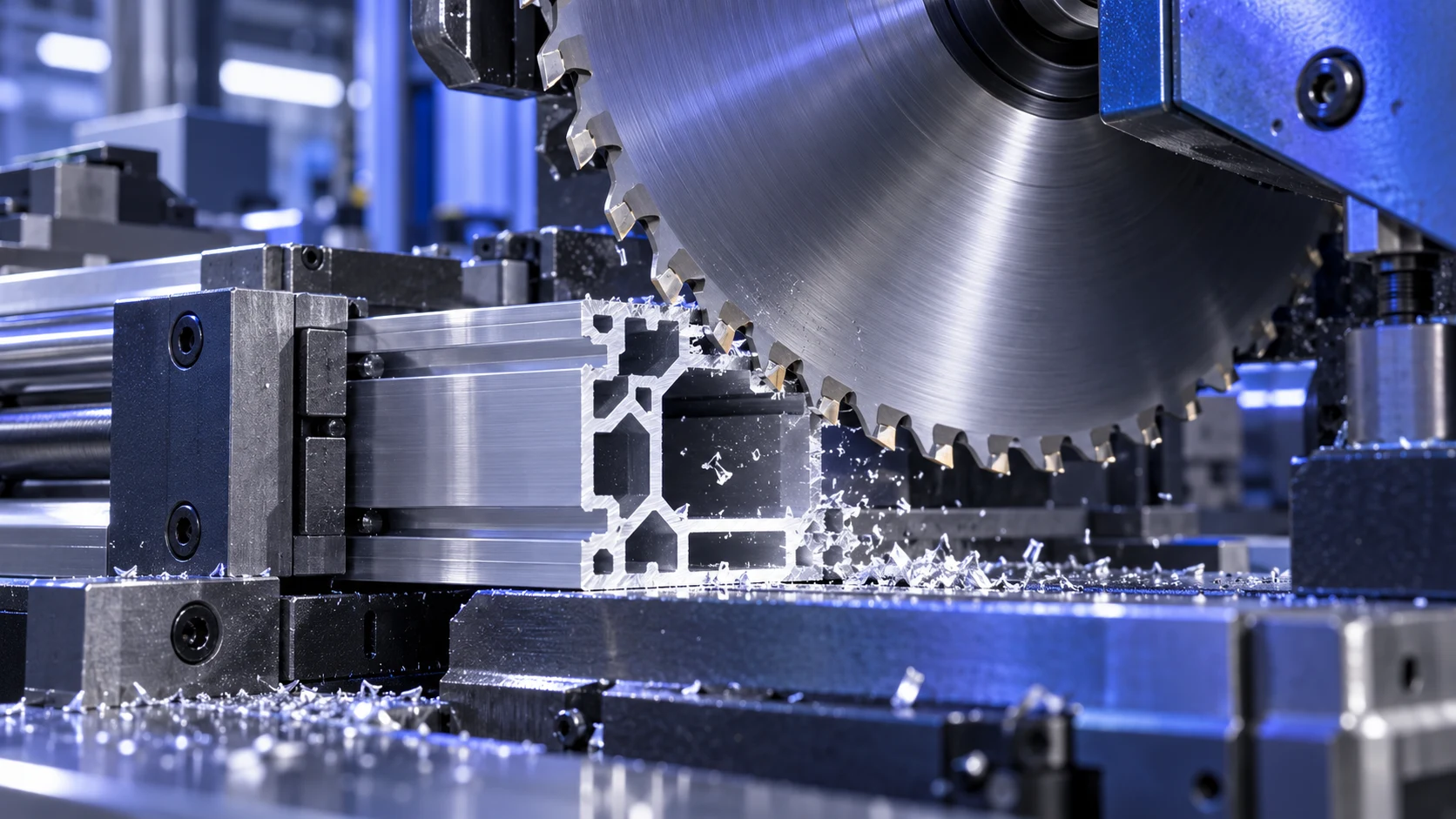
Carbide-tipped saw blades suit operations where longer edge life, faster processing, and consistent cut quality justify a higher initial investment. They are particularly valuable for medium-to-high production volume, stable automation, abrasive materials, aluminum profiles, and demanding stainless-steel applications when the blade grade, tooth geometry, coolant, and machine stability are properly matched.
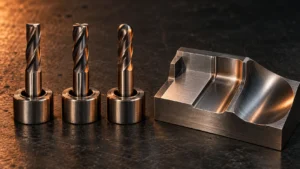
Carbide can support higher cutting speeds in suitable applications, provided the machine, workholding, blade geometry, and cutting parameters are matched. For a wider view of how carbide performance depends on geometry and application, see our carbide end mill selection guide.
Five Questions to Ask Before Choosing a Saw Blade
1. What material are you cutting?
Material grade, hardness, wall thickness, and abrasiveness should guide selection. Do not select by material name alone: steel may be thin-wall tube, solid bar, structural section, or a harder alloy, and each creates a different chip load. For related considerations in hard-material machining, read our guide to drill bits for hardened steel.
2. Is the workpiece solid, tubular, or profiled?
Solid bar needs tooth geometry that can manage sustained load. Tubes and thin-wall profiles create interrupted cutting, where teeth repeatedly enter and exit material. Poor clamping or incorrect feed can create vibration; HSS is often more forgiving, while carbide requires more stable conditions.
3. How rigid is the machine and workholding setup?
Carbide performs best on stable equipment with reliable spindle condition, secure clamps, controlled feed, and low vibration. HSS handles shock better. Before purchasing, check spindle runout, clamp pressure, material support, saw-head movement, feed control, coolant delivery, and alignment. The same system-based approach applies when selecting milling cutter tools: material alone is never a complete specification.

4. What is your production volume?
For one-off jobs and short batches, lower initial cost and resharpening flexibility may favor HSS. For repetitive production, carbide may reduce blade-change downtime and stabilize output. The better question is not “Which blade is cheaper?” but “Which blade delivers the required number of acceptable cuts with the least interruption?”
5. Can you maintain and resharpen the blade properly?
HSS blades are widely resharpened, but should be serviced before tooth wear becomes excessive. Carbide-tipped blades also need professional service, with correct tooth geometry and inspection. A poor regrind can reduce cut quality and shorten usable life.
Performance Comparison: Speed, Finish, Tool Life, and Cost
Cutting speed: Carbide can support higher cutting speeds where the system is stable. HSS generally works at more moderate speeds and may be the better choice where work varies or process stability matters more than maximum output.
Cut quality: Both materials can produce clean cuts when blade geometry and parameters are correct. Burrs, rough cut faces, or poor squareness often come from tooth wear, unsuitable pitch, weak clamping, poor coolant delivery, or machine condition rather than blade material alone.
Blade life: Carbide commonly retains its edge longer in suitable applications. HSS may wear faster under the same load, but offers toughness and accessible resharpening. Tool life should be measured by consistent good cuts, not by how long a blade remains installed after cut quality has declined.
Cost per cut: Compare blade purchase price, number of acceptable cuts, regrinding cost, operator time for changes, machine downtime, scrap risk, and maintenance. A lower-priced blade is not automatically the lower-cost choice. A published technical comparison also found carbide-tipped saws offered higher cutting rates and tool life in its tested applications; results should still be matched to your own process conditions. Read the research summary.
Common Problems and How to Prevent Them
Chipped carbide teeth
Likely causes are vibration, loose clamping, incorrect feed, damaged material surfaces, or excessive runout. Ensure the workpiece is fully supported and do not use a carbide blade to compensate for poor machine condition.
Burned or discolored cut surfaces
Burning usually indicates excess heat. Review blade sharpness, coolant flow, cutting speed, feed pressure, and tooth configuration before changing blade material.
Excessive burrs or crooked cuts
Check tooth wear, blade geometry, guides, runout, alignment, clamping, and feed. These checks are also important when selecting other CNC tools; our guide to end mill types for CNC machining explains why geometry must match the operation.
How to Compare Total Cost per Cut
Cost per cut is the most useful commercial measure for a production buyer. Add the blade purchase price, resharpening, blade-change labor, lost machine time, scrap or rework, and maintenance cost. HSS often makes sense where batch size is small, conditions vary, and a regrind service is available. Carbide often earns its higher purchase price where production is repetitive and a long-running blade can reduce interruptions.
Talk to ZIROO TOOLS About Your Sawing Application
A correct recommendation needs more than a material name and blade diameter. Share the workpiece material, section shape, size, wall thickness, machine type, arbor size, speed, coolant method, expected volume, and the current problem—such as chipping, burrs, overheating, or slow cycle time.
ZIROO TOOLS supports OEM, distributor, and bulk purchasing projects with application-based selection. Send your drawing, current blade specification, or cutting requirements to find a blade solution that supports reliable performance and cost control.
Get Quote Now
Frequently Asked Questions
Can carbide saw blades cut steel?
Yes. Carbide-tipped saw blades can cut steel when the blade grade, tooth geometry, machine rigidity, workholding, and cutting parameters are suitable. They should not be selected solely to solve vibration or poor clamping problems.
Are HSS saw blades better for thin-wall tubing?
HSS can be a strong option because it is tougher and can tolerate less stable conditions. A correctly specified carbide blade may also perform well on a rigid machine with secure clamping and controlled feed.
Can carbide-tipped saw blades be resharpened?
Yes, but carbide requires specialist grinding equipment and correct tooth geometry. The blade should be serviced before severe tooth damage occurs.
What information should I provide when requesting a quote?
Provide the material grade, section shape, size, wall thickness, machine type, blade diameter, arbor size, tooth count if known, cutting speed, coolant method, production volume, and any current cutting problem.