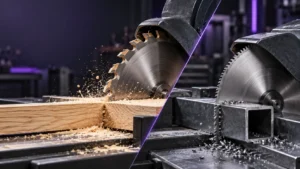
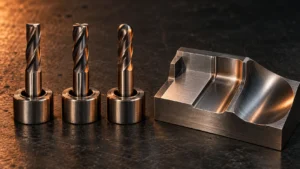
Choosing a drill by diameter alone is rarely enough for production work. The right tool must match the workpiece material, hole tolerance, machine rigidity, coolant method, hole depth, and expected batch size. This guide explains five common drill bit types and their uses in metalworking, then gives you a practical process for selecting and sourcing the right tool.
For broader process planning, see the ZIROO TOOLS hole making tools range before finalizing the drill specification.
Quick Selection Matrix
| Drill bit type | Best use | Main advantage | Watch-out |
|---|---|---|---|
| Twist drill | General-purpose holes | Flexible material and diameter range | Can wander at entry |
| Spot drill | Starting and locating holes | Stable, accurate entry | Not for deep drilling |
| Step drill | Thin sheet and panels | Multiple diameters in one tool | Not for thick stock |
| Solid carbide drill | Stable CNC production | Rigidity and repeatability | Needs controlled setup |
| Through-coolant drill | Long holes | Coolant delivery and chip control | Needs compatible coolant system |
1. Twist Drills: The Versatile Starting Point
Twist drills are the most familiar tools in the list of drill bit types and their uses. Their helical flutes carry chips away from the cutting edge while the point begins the hole. They are practical for many general metalworking operations because they are available in a wide range of diameters, lengths, materials, and point geometries.
For a general process, match the drill material to the workpiece and setup. HSS is often used where flexibility matters. Cobalt-bearing drills are commonly considered for tougher steels and heat-sensitive work. Solid carbide versions suit rigid, repeatable CNC conditions. For material-specific decisions, review our drill bits for hardened steel guide.
Use a twist drill when you need a standard hole in a conventional depth range, work across several materials, or need a flexible tool choice. Its limitation is entry stability: a drill can drift on curved, angled, rough, or uneven surfaces.

2. Spot and Center Drills: Control the Hole Before It Starts
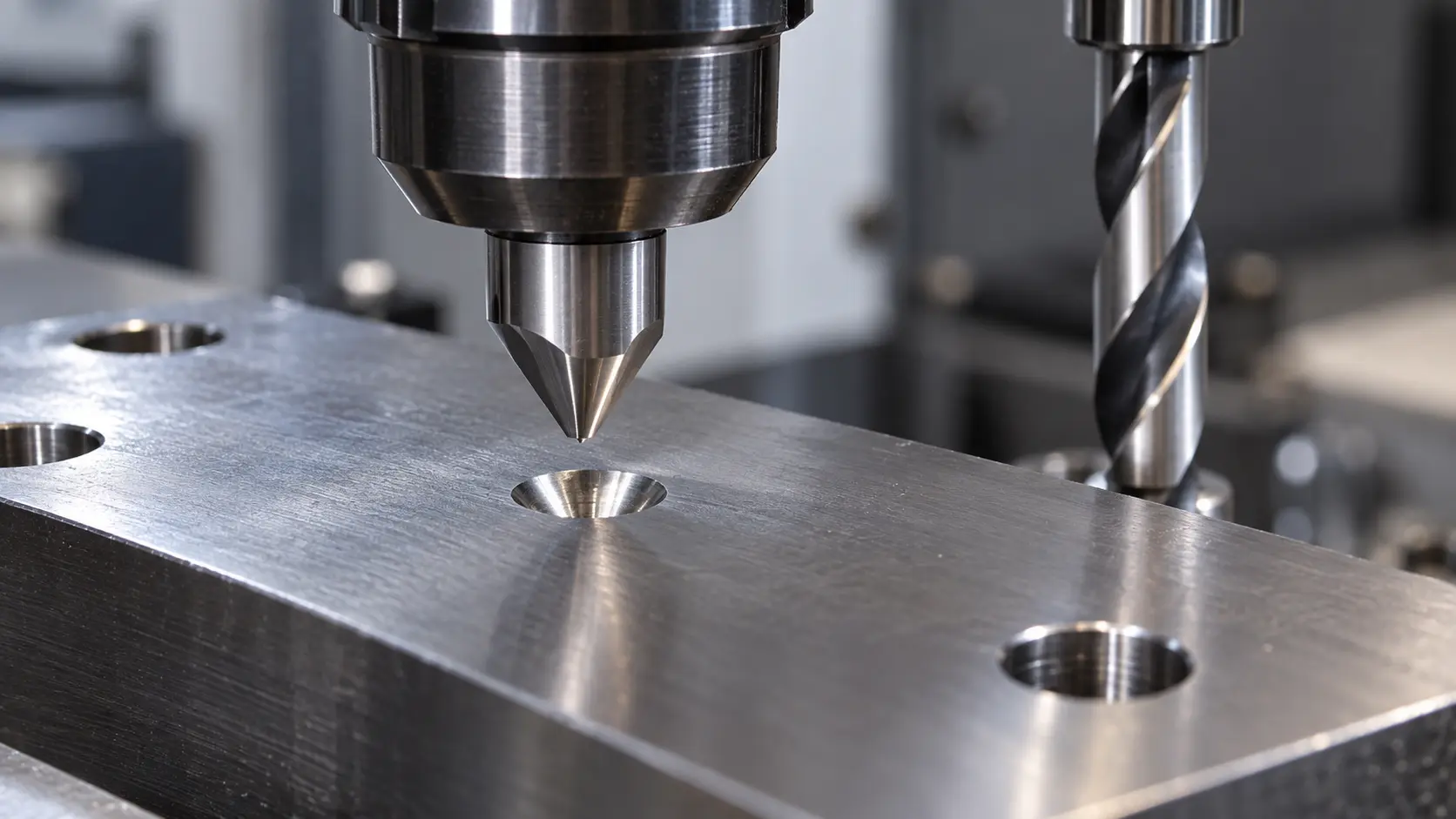
A spot drill creates a shallow, controlled seat so the following drill can enter the part with less wandering. In many CNC operations, its role is not to make the finished hole but to establish a stable, accurately located entry point.
Use a locating operation when you are drilling on a sloped or curved surface, close to an edge, or into a part where hole position affects assembly. Do not make the spot unnecessarily deep. Choose a geometry that supports the final drill point, then inspect the first-off result before production.
3. Step Drills: Efficient for Thin Sheet and Multi-Diameter Work
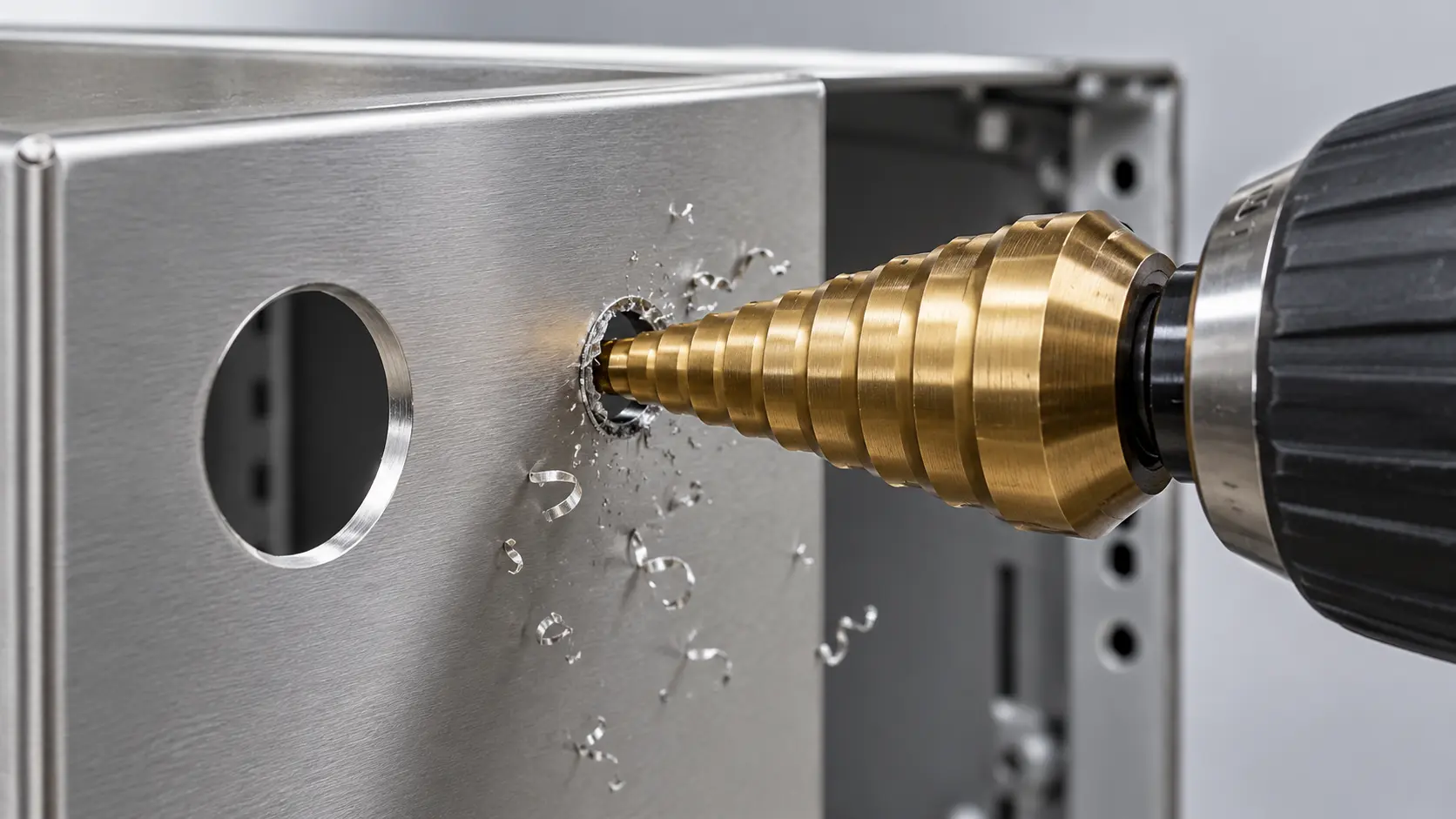
A step drill has multiple diameter stages on one conical body. Each step cuts a different hole size, making the tool useful for sheet-metal fabricators, enclosure manufacturers, panel shops, and maintenance teams that need several sizes without repeated tool changes.
Choose a step drill for thin steel, aluminum, copper, and similar sheet materials where the required sizes fit its step range. It is not a replacement for a deep drilling process in thick solid stock. Confirm material thickness, diameter range, shank compatibility, and whether a secondary finishing operation is needed.
4. Solid Carbide Drills: Built for Stable, Repeatable CNC Work
Solid carbide drills are frequently selected for high-volume metalworking because a rigid system can support consistent hole quality and predictable tool management. They are relevant where repeat geometry, controlled material, and cycle-time discipline justify process development.
Carbide is not automatically the right answer. It is less forgiving of vibration, excessive runout, weak clamping, and unstable workholding. Before standardizing a carbide drill, validate spindle condition, holder runout, coolant delivery, cutting data, and inspection method. You can also compare common metal-drilling choices in our cobalt vs titanium drill bits guide.
5. Deep-Hole and Through-Coolant Drills: Solve Chip-Control Problems
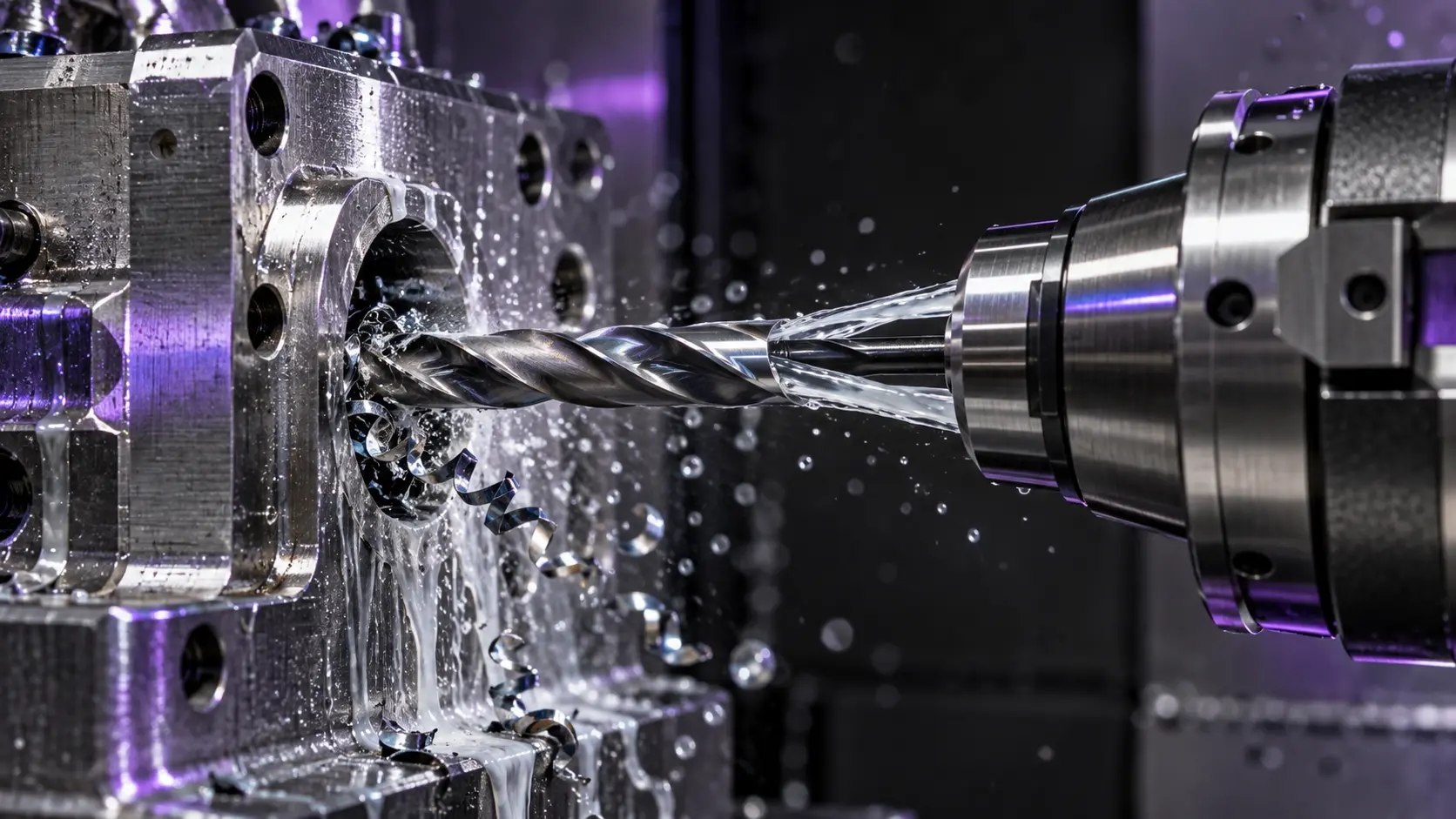
Deep holes create a different problem from ordinary drilling: chips travel farther, coolant may not reach the cutting zone, and heat can build inside the hole. Through-coolant designs help bring coolant nearer the cutting edges and support chip evacuation when the machine system is compatible.
Evaluate these drills for long holes, difficult materials, chip packing, inconsistent hole quality at depth, or frequent failure near the bottom of a hole. Confirm coolant pressure, machine interface, holder compatibility, depth, blind or through condition, and chip shape before committing to an order.
How to Choose the Right Drill Bit Type
- Define the material: identify the alloy, hardness condition, and surface condition.
- Define the hole: record diameter, tolerance, depth, blind or through condition, and secondary operations.
- Check setup stability: review spindle, holder, runout, workholding, and access.
- Plan chip and heat control: define coolant, pressure, and chip-removal space.
- Match the volume: choose between flexible general-purpose tooling and an application-specific production tool.
- Verify the trial: inspect size, position, burrs, tool wear, and consistency.
Diameter selection remains part of this process. Use our drill bit size selection guide when you need to connect hole function, tolerance, and the final machining operation.
Common Drill Selection Mistakes
- Using one drill type for every material.
- Ignoring the entry surface and hole location requirement.
- Choosing carbide without checking machine rigidity.
- Treating deep holes like shallow holes.
- Sending an RFQ with only a diameter.
B2B RFQ Checklist for Drill Bits
Include workpiece material, required diameter and tolerance, hole depth, blind or through condition, drawing or location sketch, machine and holder type, coolant method, expected quantity, current process problem, and whether standard or modified geometry is required. These inputs help a supplier recommend a drill that fits the application rather than merely quote a catalogue size.
Frequently Asked Questions
What is the most common type of drill bit for metal?
Twist drills are the most common choice for general metal drilling. The right material and geometry still depend on the workpiece, hole depth, machine stability, and required output.
When should I use a spot drill?
Use one when hole location matters or when the final drill starts on a curved, angled, rough, or uneven surface.
Can a step drill be used on thick steel?
Step drills are generally best for thin sheet and panel work. Thick solid steel needs a drilling process designed for its required depth and chip-load conditions.
Are solid carbide drills always better than HSS drills?
No. Carbide is often effective in stable CNC production, while HSS or cobalt can be more practical for flexible, low-volume, or less rigid setups.
What causes drill breakage in deep holes?
Common causes include poor chip evacuation, insufficient coolant, excessive runout, unstable workholding, and unsuitable cutting data.
What should I provide to a drill-bit supplier?
Provide the material, hole size and depth, tolerance, machine and holder details, coolant method, expected quantity, and the problem you want to solve.
Choose the Drill for the Hole Task, Not Just the Diameter
Understanding drill bit types and their uses means connecting each tool to the production condition. Twist drills cover many general jobs; spot drills improve location control; step drills simplify thin-sheet work; solid carbide drills support stable CNC machining; and through-coolant drills help manage chip removal at depth.
For a tool recommendation or quotation, share your drawing, workpiece material, hole requirements, and machine conditions with ZIROO TOOLS. We can help you define a more suitable drilling-tool direction for your application.